
"farmer roaster"
2000 article(s) found

Boutique coffee introduction to Malaba Coffee from Rwanda Coffee producing countries
The first problem for Malaba coffee farmers is to set up a cleaning station. The coffee fruit must be transported to the cleaning station to wash the sugar under the skin of the coffee bean within 12 hours after picking, otherwise the flavor of the coffee will be greatly damaged. In July 2001, with UNR, the Ministry of Culture and Industry of Rwanda (Office des Cultures Industrielles du Rwanda,OCIR-Caf), ACD
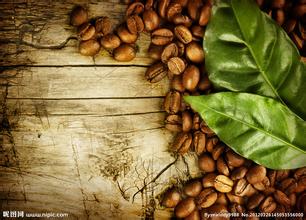
Introduction of Chimere Manor in Lutesilo, West Province, Malaba Coffee region, Rwanda
The first problem for Malaba coffee farmers is to set up a cleaning station. The coffee fruit must be transported to the cleaning station to wash the sugar under the skin of the coffee bean within 12 hours after picking, otherwise the flavor of the coffee will be greatly damaged. In July 2001, with UNR, the Ministry of Culture and Industry of Rwanda (Office des Cultures Industrielles du Rwanda,OCIR-Caf), ACD

The flavor and taste of Rwandan Malaba coffee with breath and aroma
The first problem for Malaba coffee farmers is to set up a cleaning station. The coffee fruit must be transported to the cleaning station to wash the sugar under the skin of the coffee bean within 12 hours after picking, otherwise the flavor of the coffee will be greatly damaged. In July 2001, with UNR, the Ministry of Culture and Industry of Rwanda (Office des Cultures Industrielles du Rwanda,OCIR-Caf), ACD

Lutesilo producing area of the western province of Malaba coffee in Rwanda
The first problem for Malaba coffee farmers is to set up a cleaning station. The coffee fruit must be transported to the cleaning station to wash the sugar under the skin of the coffee bean within 12 hours after picking, otherwise the flavor of the coffee will be greatly damaged. In July 2001, with UNR, the Ministry of Culture and Industry of Rwanda (Office des Cultures Industrielles du Rwanda,OCIR-Caf), ACD

Amber Coffee
Amber coffee is synonymous with high-quality coffee in China. Cuba Cubita in 1748, coffee was introduced to Cuba from Dominica, and Cuba began to grow coffee ever since. The coffee beans selected by the Cuban Cubita are Arabica varieties grown in the Crystal Mountains of Cuba, which are produced and used by the farmers themselves, so it is considered to be a higher and better quality coffee. It uses 100.
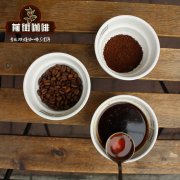
Is Robusta's flavor worse than Arabica? can Robusta make hand coffee?
Is Arabica the only variety equated with taste and quality? Is Robusta always that bad? At present, about 40% of the world's Robusta species, which grows faster than Arabica and is more resistant to extreme weather, but farmers do not pay equal attention to it when producing and dealing with it. Because Robusta has a bad reputation for flavor, so

Taste balanced, mellow, full-bodied with chocolate flavor New Oriental Manor New Oriente
The term "fine coffee" was first put forward by Ms. Knudsen of the United States in Coffee and Tea magazine. At that time, Ms. Knudsen, as a coffee buyer at B.C. Ireland in San Francisco, was very dissatisfied with the neglect of the quality of raw coffee in the industry, and even some big roasters mixed a large amount of Robesda beans in the comprehensive beans, so she put forward the concept of boutique coffee.

Boutique coffee Rwanda coffee origin Rwanda coffee practice
Rwandans have been growing coffee since colonial times, but until 1999, its products were still classified as below Class C and were not popular in the global market. The reason for the poor quality is that farmers do not have a fixed procedure for washing coffee beans and do not process coffee fruits according to specifications in time. Buyers buy coffee beans at $0.33 per kilogram, and farmers keep warm by the meagre profits earned at low prices.

Introduction to the characteristics of Rwandan Coffee beans in Rwanda Coffee Flavor Manor area
The first problem for Malaba coffee farmers is to set up a cleaning station. The coffee fruit must be transported to the cleaning station to wash the sugar under the skin of the coffee bean within 12 hours after picking, otherwise the flavor of the coffee will be greatly damaged. In July 2001, with UNR, the Ministry of Culture and Industry of Rwanda (Office des Cultures Industrielles du Rwanda,OCIR-Caf), ACD

Rwanda Coffee Malaba Coffee Flavor introduction to the characteristics of Rwandan Coffee in Chilmel Manor
The first problem for Malaba coffee farmers is to set up a cleaning station. The coffee fruit must be transported to the cleaning station to wash the sugar under the skin of the coffee bean within 12 hours after picking, otherwise the flavor of the coffee will be greatly damaged. In July 2001, with UNR, the Ministry of Culture and Industry of Rwanda (Office des Cultures Industrielles du Rwanda,OCIR-Caf), ACD

Rwanda coffee beans flavor taste estate production area introduction Malaba coffee boutique coffee beans introduction
The first problem that Malaba coffee farmers solved was to set up a washing station. Coffee cherries must be transported to a washing station within twelve hours of picking to remove the sugar coating under the outer skin of the coffee beans, otherwise the flavor of the coffee will be greatly damaged. In July 2001, the Rwandan government, through UNR, the Office des Cultures Industrielles du Rwanda (OCIR-Caf), ACD,
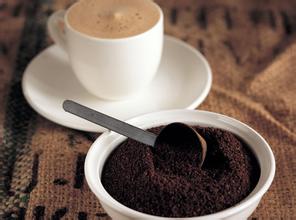
Fine coffee Rwanda Coffee characteristics introduction to Rwanda Coffee
Rwandans have been growing coffee since colonial times, but until 1999, its products were still classified as below Class C and were not popular in the global market. The reason for the poor quality is that farmers do not have a fixed procedure for washing coffee beans and do not process coffee fruits according to specifications in time. Buyers buy coffee beans at $0.33 per kilogram, and farmers keep warm by the meagre profits earned at low prices.

Introduction of Ethiopian Red Cherry Project Korate Krette Sun Red Cherry Coffee beans
Professional baristas please follow the coffee workshop (Wechat official account cafe_style) Ethiopian Red Cherry Project Korate Krette Sun Bean operation Cherrie Red "Red Cherry Initiative" (ORC) is a project to improve the quality of small-scale farms, mainly to encourage soybean farmers and surprise roasters. Trabocca, the largest coffee bean seller in the Netherlands, invited the company before the harvest season.

Fine coffee Rwanda coffee manor Rwanda coffee producing area
Rwandans have been growing coffee since colonial times, but until 1999, its products were still classified as below Class C and were not popular in the global market. The reason for the poor quality is that farmers do not have a fixed procedure for washing coffee beans and do not process coffee fruits according to specifications in time. Buyers buy coffee beans at $0.33 per kilogram, and farmers keep warm by the meagre profits earned at low prices.
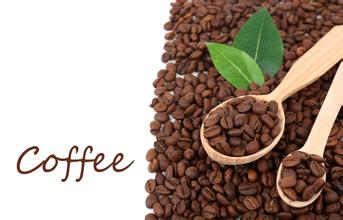
Boutique coffee Rwanda coffee flavor red apple, cherry, cinnamon, honey
Rwandans have been growing coffee since colonial times, but until 1999, its products were still classified as below Class C and were not popular in the global market. The reason for the poor quality is that farmers do not have a fixed procedure for washing coffee beans and do not process coffee fruits according to specifications in time. Buyers buy coffee beans at $0.33 per kilogram, and farmers keep warm by the meagre profits earned at low prices.

Know the varieties of Arabica coffee and the varieties evolved from Arabica
For professional baristas, please pay attention to the information of "coffee varieties" in the coffee workshop (Wechat official account cafe_style), which is not easy to be noticed by coffee users in the early days, and it is often the roasters or players who are slightly concerned about it, but they are not too deep and persistent, because the former is concerned with price and sales channels, while the latter focuses on the improvement of baking skills.

What varieties of arabica have evolved? KFC Arabica coffee beans refer to...
Professional coffee knowledge exchange More coffee bean information Please pay attention to coffee workshop (Weixin Official Accounts cafe_style) Arabica coffee varieties This information is not easy to be noticed by coffee users in the early stage, often engaged in roasting operators or players will be slightly concerned, but will not be overly deep, persistent, because the former is concerned about price and sales channels; the latter
Fine coffee Rwanda coffee treatment method washing, elevated scaffolding sun drying
Rwandans have been growing coffee since colonial times, but until 1999, its products were still classified as below Class C and were not popular in the global market. The reason for the poor quality is that farmers do not have a fixed procedure for washing coffee beans and do not process coffee fruits according to specifications in time. Buyers buy coffee beans at $0.33 per kilogram, and farmers keep warm by the meagre profits earned at low prices.

Tanzania Kilimanjaro Coffee Introduction| Kilimanjaro Coffee vs Kenya AA Comparison
Tanzanian Kilimanjaro coffee is slightly lower in body and acidity than its close relative Kenyan AA coffee, but still presents very good body and brightness, as well as fine balance and a refreshing cup of coffee. Kilimanjaro coffee is also milder than Kenyan coffee, often presenting a smooth, velvety texture with a hint of blackcurrant.

What is Fair Trade and Direct Trade? What is the difference between fair trade and direct trade?
Professional coffee knowledge exchange More coffee bean information Please pay attention to coffee workshop (Weixin Official Accounts cafe_style) Whether you are a professional or a simple coffee lover, almost all coffee circles will appear these terms. But what is the real difference between these two trade patterns? What does coffee mean to us? This article provides all about fair trade and direct trade